How much does it cost to get your fuel tank cleaned?
Fuel tank cleaning costs vary significantly based on tank size, capacity, accessibility, stored product type, contamination level, and required cleaning method. A typical underground storage tank (UST) cleaning for a 10,000-gallon gasoline or diesel tank ranges from $2,500 to $6,000, including product removal, vapor control, interior cleaning, sludge disposal, and confined space safety protocols. Above-ground storage tanks (ASTs) may cost $3,000 to $12,000+ depending on diameter, height, and whether entry requires scaffolding. If the tank requires relining after cleaning, the complete restoration project—including surface preparation via abrasive blasting and application of a protective lining system—typically costs 15-25% of new tank replacement expenses while extending service life 20-30 years.
How long does fuel tank relining take?
Project timelines depend on tank size, accessibility, required repairs, and chosen lining system. For typical petroleum storage tanks, the complete process—including surface preparation, structural repairs, and lining application—ranges from 3-7 days for smaller tanks (under 10,000 gallons) to 2-4 weeks for large above-ground storage tanks requiring extensive floor pan work. AmTech's proprietary DuraChem® instant-cure polylining system dramatically reduces downtime compared to traditional multi-coat epoxy linings: the system cures on contact with no extended waiting periods, often allowing tanks to return to service within 24-48 hours after final application, compared to 7-14 days for conventional coating systems.
What are the signs that my fuel tank needs relining?
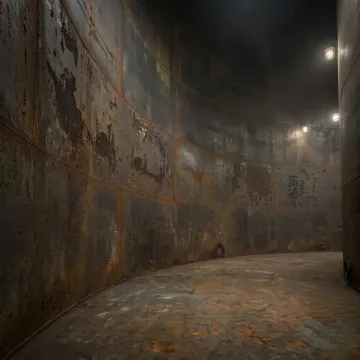
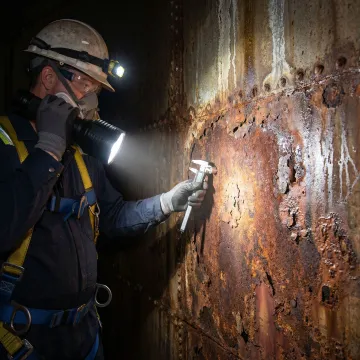
Key indicators include visible interior corrosion or rust when inspected, active leaks or product seepage, fuel quality degradation or contamination with water or sediment, failed tightness testing or pressure decay tests, peeling or blistering of existing interior coatings, ultrasonic thickness testing revealing wall thinning below minimum thresholds, regulatory citations for tank integrity during inspections, and age-related deterioration (most unlined steel tanks require relining after 15-25 years of service). Any of these conditions warrant immediate professional assessment, as delayed intervention typically leads to complete tank failure, environmental contamination, regulatory penalties, and significantly higher replacement costs.
Can all types of fuel tanks be relined?
Yes—AmTech relines steel, fiberglass, concrete, and composite tanks storing gasoline, diesel, jet fuel, heating oil, biodiesel, alcohol-blended fuels (E10-E85), and alternative petroleum products. Both above-ground storage tanks (ASTs) and underground storage tanks (USTs) can be successfully restored. However, tanks must meet minimum structural integrity thresholds: excessive wall loss (typically below 70% of original thickness), catastrophic structural damage, or severely compromised foundations may require replacement rather than relining. AmTech's field engineers perform comprehensive ultrasonic thickness testing, visual inspection, and structural assessment before recommending relining to ensure the substrate can support long-term lining adhesion and performance.
What lining system is best for petroleum fuel storage?
AmTech's DuraChem® 500 series polylining is the preferred system for petroleum, gasoline, diesel, jet fuel, and alcohol-blended fuel applications. This 100% solids, instant-cure system bonds monolithically to steel, concrete, and fiberglass, creating a seamless barrier with no joints or seams where fuel could permeate. The system resists hydrocarbon degradation, temperature cycling, and mechanical stress while producing zero VOCs during application. For high-temperature fuel service or hot fuel applications, HydraStone Alkrete® cement lining provides superior thermal resistance up to 900°F. Selection depends on stored product, operating temperature, tank material, and regulatory requirements—AmTech's field engineers specify the optimal system for each facility's unique conditions.
Do you provide emergency fuel tank repair services?
Yes—AmTech maintains 24/7 emergency response capabilities with experienced crews and proprietary repair materials deployable anywhere in the United States, Canada, and the Caribbean. Emergency scenarios include active leaks causing product loss or environmental contamination, sudden corrosion breakthrough or structural failure, lining system failures exposing bare substrate to stored fuel, nozzle blowouts or fitting failures, and regulatory shutdown orders requiring immediate corrective action. Crews arrive with DuraChem® instant-cure lining systems, fiberglass laminate repair materials, PLS 755 Tank Tape for temporary sealing, and welding equipment for structural steel repairs, enabling rapid containment, temporary mitigation, and permanent restoration to minimize facility downtime and prevent environmental incidents.
How does fuel tank relining compare to replacement cost?
Professional relining typically costs 15-30% of complete tank replacement expenses while extending serviceable life 20-30 years. A new 10,000-gallon underground storage tank system—including excavation, tank removal and disposal, new tank installation, piping upgrades, dispenser modifications, concrete restoration, and extended facility closure—often exceeds $80,000-$150,000. In contrast, a comprehensive relining project with surface preparation, structural repairs, and DuraChem® or HydraStone® lining application typically ranges from $15,000-$45,000 for the same capacity tank. For above-ground storage tanks, the cost differential is even more dramatic, with relining saving facilities $50,000-$200,000+ compared to replacement while maintaining full regulatory compliance.
Is fuel tank relining compliant with EPA and state regulations?
Yes—when performed by qualified contractors using approved materials and methods, fuel tank relining fully satisfies EPA underground storage tank regulations (40 CFR Part 280), state environmental agency requirements, and industry standards including API 653 (Tank Inspection, Repair, Alteration, and Reconstruction), NFPA 30 (Flammable and Combustible Liquids Code), and UL 1746 (External Corrosion Protection Systems). AmTech's lining systems are UL listed where applicable, and all work is documented with detailed inspection reports, material certifications, and warranty coverage that regulatory agencies accept as proof of compliance. Field engineers coordinate directly with state fire marshals, environmental compliance officers, and local inspectors to ensure each project meets jurisdiction-specific requirements.