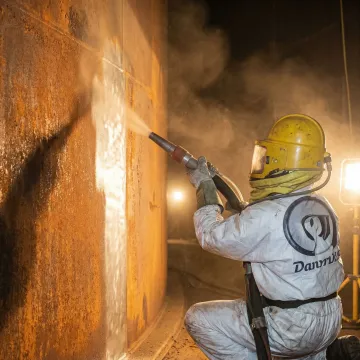
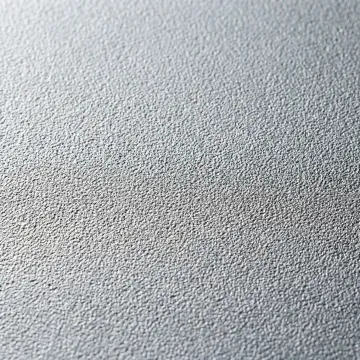
Tank blasting, also called abrasive blasting or sandblasting, is a mechanical surface preparation process that uses high-pressure air or water to propel abrasive media (such as garnet, aluminum oxide, steel grit, or walnut shells) against a tank's interior or exterior surfaces. This removes rust, mill scale, old coatings, corrosion, and contaminants down to bare substrate. The process creates a uniform surface profile—measured in mils—that provides the anchor pattern necessary for tank linings and coatings to achieve maximum adhesion, preventing premature failure and extending tank service life by decades.
How much does it cost to sandblast?
Sandblasting costs for industrial tanks vary based on tank size, substrate material, accessibility, blast profile requirements, and the extent of existing corrosion. Steel tank interiors requiring SSPC-SP10 Near-White blast profiles typically cost more than concrete tanks needing only surface cleaning. Additional factors include media selection (specialty media costs more), containment requirements, environmental controls, and whether structural repairs are needed before blasting. AmTech provides free project assessments with detailed cost estimates based on your specific tank configuration, service environment, and lining system requirements. Contact us at 888-839-0373 for a customized quote.
What surface profile do I need for my tank lining?
The required surface profile depends on your chosen lining system. Cementitious linings like HydraStone® typically require a 2-3 mil SSPC-SP6 Commercial Blast profile, while high-build polymer systems like DuraChem® 500 series benefit from a 3-4 mil SSPC-SP10 Near-White profile for maximum mechanical adhesion. AmTech's field engineers measure ambient temperature, dew point, humidity, and surface profile using replica tape and digital gauges before any coating application proceeds, ensuring your tank meets manufacturer specifications and achieves the longest possible service life.
Can you sandblast fiberglass and concrete tanks?
Yes, but the approach differs significantly from steel tank blasting. Fiberglass and FRP tanks require soft abrasive media like crushed walnut shells or low-pressure water blasting to avoid damaging the laminate structure. Concrete tanks often use hydroblasting or wet abrasive methods to remove scale, biological growth, and failed coatings without compromising substrate integrity. AmTech's crews are trained to select the appropriate method and media based on substrate material, existing damage, and the subsequent lining or coating system. All work follows SSPC, NACE, and ASTM best practices for non-metallic substrates.
How long does tank sandblasting take?
Project duration depends on tank size, access configuration, substrate condition, and environmental controls required. A 10,000-gallon steel water tank interior with moderate corrosion may take 2-3 days including containment setup, blasting, cleanup, and profile verification. Large petroleum ASTs or underground storage tanks with heavy corrosion and structural repairs can take 1-2 weeks. AmTech prioritizes minimizing facility downtime—our DuraChem® instant-cure lining systems allow tanks to return to service within 24-48 hours after blasting and coating, compared to traditional multi-coat systems requiring 7-14 days of cure time.
Do you provide dust containment and environmental compliance?
Yes. AmTech manages all containment, dust collection, and abrasive waste disposal in accordance with EPA, OSHA, and local environmental regulations. For occupied facilities or sensitive environments, we use wet abrasive blasting methods that suppress airborne particulates by 90% or more. Spent abrasive media is collected, containerized, and disposed of through licensed waste handlers. Our crews are OSHA 10 and OSHA 30 certified and follow strict safety protocols including respiratory protection, hearing conservation, and confined space entry procedures. All blasting operations comply with NFPA, ANSI, and UL standards.
What types of tanks do you sandblast?
AmTech provides abrasive blasting for all industrial, commercial, and municipal tank types including: potable water storage tanks, domestic hot water (DHW) tanks, wastewater treatment tanks, chemical storage tanks (acids, caustics, solvents), petroleum and fuel tanks (gasoline, diesel, crude oil), above-ground storage tanks (ASTs), underground storage tanks (USTs), fire suppression water tanks, clarifiers and digesters, process tanks, and storage silos. We work with steel, stainless steel, concrete, fiberglass, FRP, and laminate substrates across all 50 US states, Canada, and the Caribbean.
Can you provide emergency sandblasting services?
Yes. AmTech maintains experienced field crews strategically located throughout the United States and Canada to provide rapid-response emergency sandblasting and tank repair services. If your facility experiences an unexpected lining failure, corrosion breakthrough, or regulatory shutdown requiring immediate surface preparation and re-lining, we can mobilize engineer-led crews with specialized blasting equipment and proprietary lining materials to your site within 24-48 hours in most regions. Our DuraChem® instant-cure systems allow expedited project completion, restoring your tank to service in days instead of weeks. Call 888-839-0373 for emergency dispatch.